
A practical bathroom handover checklist
Handover is the point to understand your new bathroom and review the agreed work. Set aside time for it instead of treating it as a quick look around after the last tool leaves.
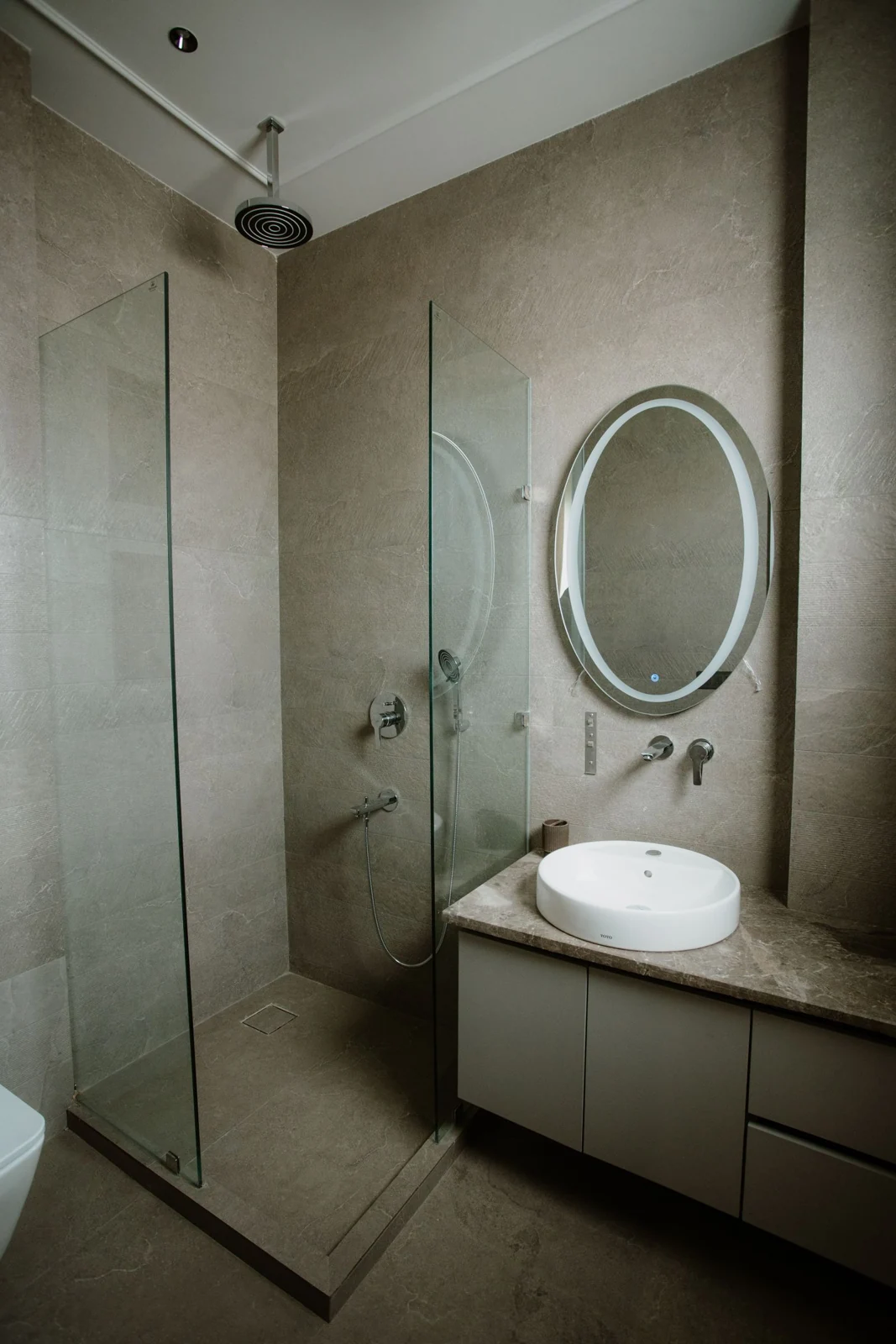
Have your bathroom quote ready for handover
Use the quotation and any recorded changes to review what was included. Check the specified products and finish choices, including any substitutions agreed during the project.
Make a clear list of outstanding items with their location. Photographs can help describe an issue, but discuss it directly so the expected resolution is understood.
Ask how the fittings work
Ask how the controls and drainage work, where the access panels are and how to turn off the water. Review drawers, doors and shower-screen movement and ask about any controls you have not used before.
Follow the installer’s and manufacturer’s instructions about when new work can first be used, including sealants and adhesives. Do not assume every product is ready immediately.
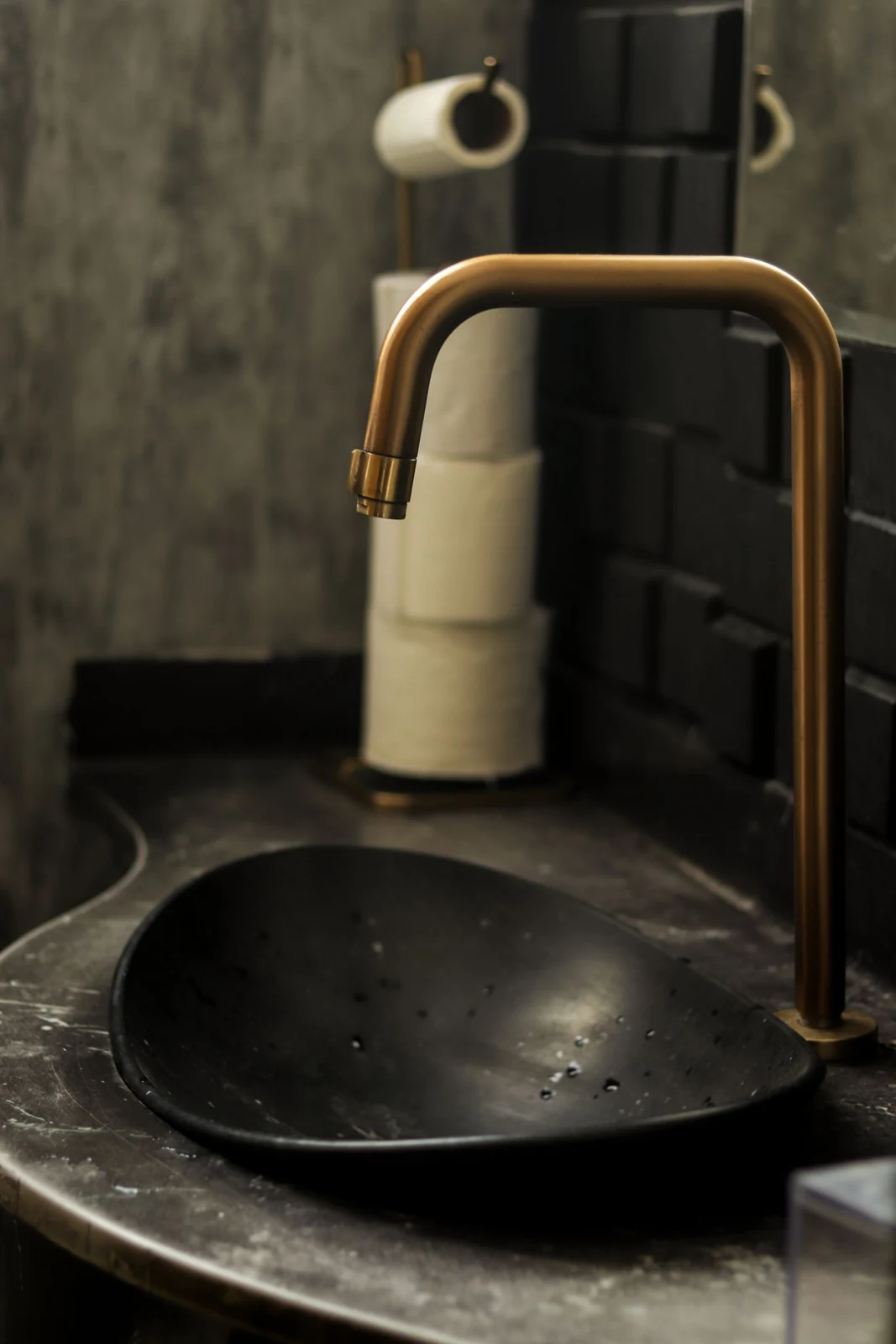
Collect the useful information
Keep product references, care instructions and any relevant paperwork supplied for the installed work. Ask how to obtain replacements or report an issue if something later needs attention.
Use the specified cleaning methods. A product that works on one bathroom surface may be unsuitable for another.
Agree the remaining steps
If anything is still to be completed, record what it is, who will deal with it and the arrangement for access. Keep the record with your project documents.
A handover checklist is a practical aid, not a replacement for the checks required for the actual work. Raise uncertainties while the room and its installation are fresh in everyone’s mind.
Review the room in a useful order
Start with the entrance and work around the bathroom one area at a time. Compare each area with the work you have agreed and product list, rather than relying on a general impression that the room looks finished. Check the vanity, shower or bath, toilet, wall finishes and floor in turn. Note any point you want explained before moving on, so that a question about one detail does not get lost in a wider conversation.
Look at the room under its normal lighting and from positions you will use every day. Open drawers and doors as demonstrated, and check the relationship between them and nearby fittings. This is an opportunity to understand the installed room, not to perform technical checks beyond your knowledge. If something seems unusual, ask the installer to explain it and record any agreed next step.
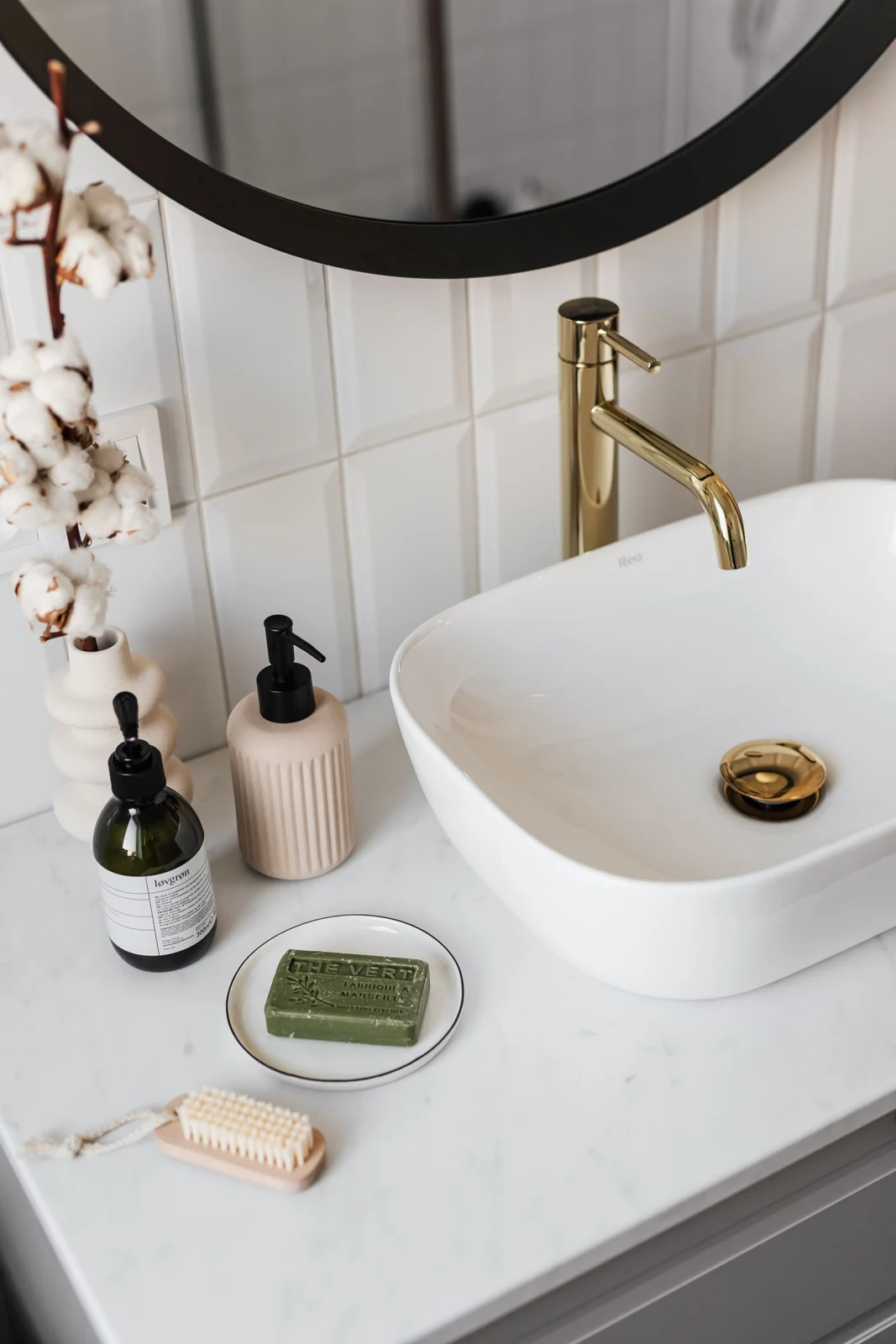
Understand operation before the first use
Ask for a demonstration of the shower controls, screen movement and any unfamiliar basin or bath fittings. Establish where relevant access panels and shut-off valves are and how they are intended to be used. Keep instructions available to other people in the household rather than relying on one person remembering everything. If a fitting has several settings, take time to understand the normal everyday operation.
Confirm any waiting time or care required before using newly finished areas. Follow the instructions for the actual products and installation, including anything the installer explains about sealants or adhesives. Ask for unclear instructions in a form you can keep. Do not assume a surface is ready merely because it looks dry, or use a general online time estimate in place of the guidance supplied for the work.
Create a practical bathroom information folder
Keep the agreed quotation, recorded changes, product references and supplied care information together. Include details for the shower screen, taps, furniture and wall or floor finishes. Product identification is useful if you later need advice or a compatible replacement part. Store any relevant paperwork supplied for the installed work in the same place, so that it can be found without searching through delivery messages.
Ask which spare materials or accessories are worth keeping and label them clearly. Keep the cleaning guidance for each finish rather than assuming one product suits the entire room. The guide to choosing and caring for coordinated finishes explains why the practical care questions belong alongside appearance. A short note about the recommended routine can help everyone using the room look after it consistently.
Make outstanding items specific
For a complete bathroom installation, handover should refer back to the agreed work and any approved changes. If something remains outstanding, record its exact location and what needs to happen. A photograph can support the description, but it should be accompanied by a clear note. Agree who will deal with the item and how any return access will be arranged.
Keep completed and outstanding items separate so that the record remains useful as work is resolved. Ask who to contact if an issue becomes apparent after normal use begins, and retain that information with your documents. Avoid leaving a vague promise as the only record of a specific finishing concern. A clear handover gives you operating information, a care plan and an understandable list of any remaining actions, making it easier to settle into using the bathroom with confidence.
Your next step
Discuss the proposed handover and completion arrangements before booking the installation, then keep the written quote for reference.
Bathroom installation in HamiltonPlan your bathroom in Hamilton
Explore fitted bathrooms in Hamilton, then tell us about your room and the changes you have in mind.